
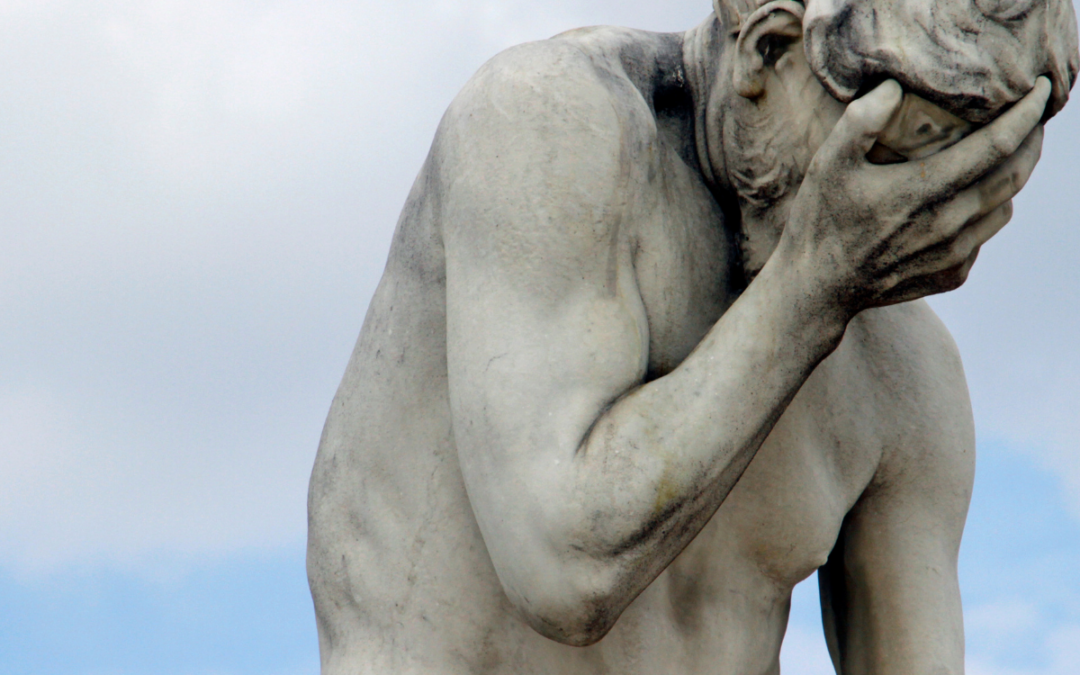
“See it in your mind's eye, hear it in your head, feel it in your heart—are you truly happy, or are you just living for pleasure?”
Imagine: you're at an expensive vacation destination, surrounded by sparkling blue water and a slowly setting sun. The sound of people laughing, waves crashing against the shore, the soft clinking of glasses in the distance—everything seems perfect. Your heart beats faster, you feel a brief tingle of happiness. But as soon as you look back on your life, that image suddenly feels empty. That peak, that moment of pleasure, is over, and what remains is a heavy, gnawing feeling of regret and lost time. This is the moment when many realize that they have lost themselves by chasing fleeting pleasures.
We all chase after it: the perfect career, a luxury vacation, a new car, that one exciting adventure, ... At the moment itself, it feels good—your heart rate rises, you smile, you enjoy yourself. But what happens years later? For many, the realization follows: all those intense peak moments have not led to lasting satisfaction. Instead, a feeling of emptiness and regret can arise.
The difference between short-lived pleasure and lasting fulfillment.
Happiness comes in two forms: hedonistic and eudaimonicHedonistic happiness revolves around short-lived pleasure—material rewards, sensations, and fleeting success. It gives you a high peak, but it fades quickly. Those who live their lives this way for years may find that at some point they have lost themselves and wasted a lot of time on fleeting satisfaction.
Eudaimonic happiness, on the other hand, is lasting and meaningful. It arises from connection, meaning, and personal growth. This kind of happiness nourishes the spirit and endures even in difficult times. Research also shows that people who find happiness in meaningful activities experience less stress and inflammation, while the pursuit of short-lived pleasure actually exhausts the body in the long run.
The moment of regret.
The moment of regret often comes when people look back on their lives and realize that true fulfillment did not lie in extravagant experiences or material wealth, but in relationships, personal development, and contributing to others. The lost time then feels like a painful reminder of what could have been.
The turnaround solution: investing in meaning.
Fortunately, it is never too late to change course. Small, meaningful steps can make a big difference:
- Connect with friends and family; cherish relationships and invest in lasting connections.
- Give something back: volunteer, help others, or simply give your attention and time.
- Reflect on gratitude: be aware of what you appreciate and cherish it.
- Invest in growth:challenge yourself, learn new things, and seek out experiences that bring satisfaction.
- Find meaning:this can be through spirituality, art, nature, or personal projects that matter.
Short-lived pleasures can be tempting, but true happiness comes from a meaningful life. By making choices now that bring you connection and fulfillment, you can avoid regretting the time you wasted on fleeting moments of pleasure later on. Realizing that time spent on meaningful things is never wasted can help you build a life full of satisfaction and lasting happiness.
Feel it for a moment: the warm sun on your skin, the smile of a loved one, the sound of a child laughing, a hand helping you with something small but important. These are the moments that linger, that fill your heart and relax your body, while the memory of expensive things or quick thrills fades away. By making small choices now that bring connection, meaning, and personal growth, you build a foundation of lasting happiness. Every moment you invest in something that matters is a moment that will never be lost—it is tangible, palpable, and audible in the rhythm of your daily life. Choose meaning today, so that later you can look back with peace of mind, knowing that your life was rich, not because of the height of the peaks, but because of the depth of the moments that truly matter.
.